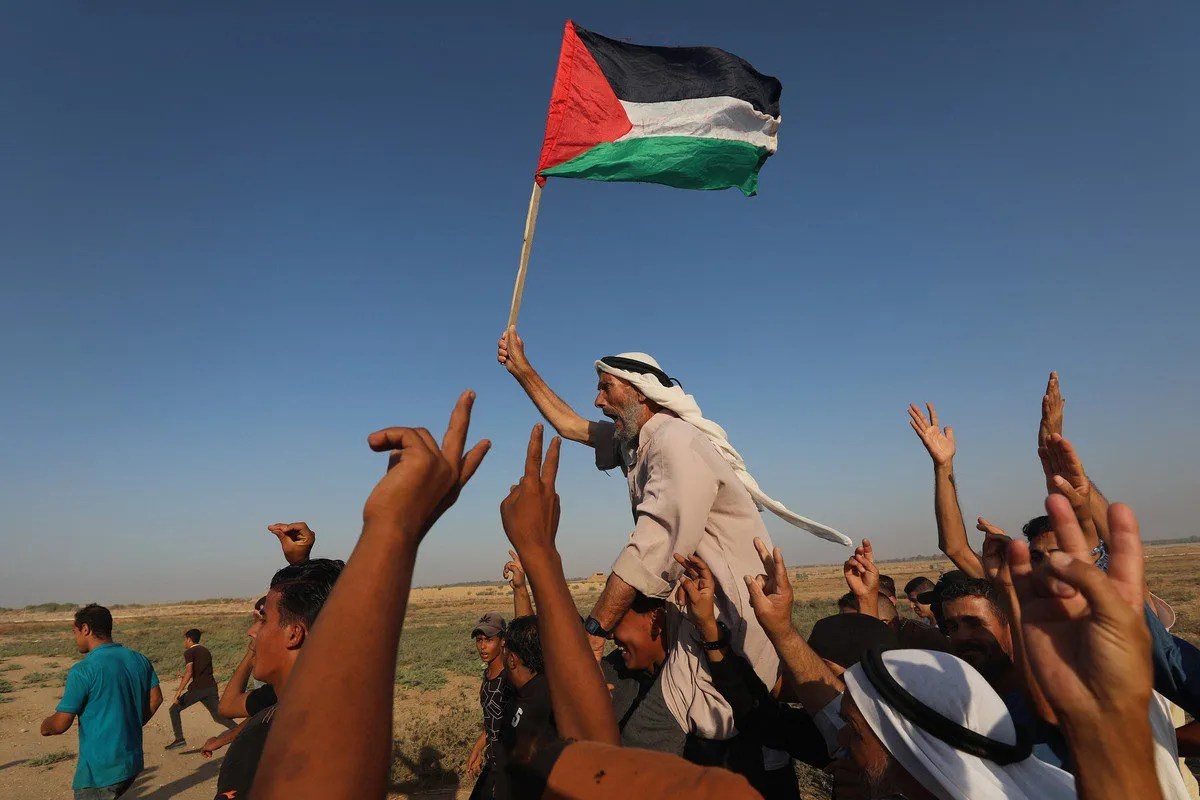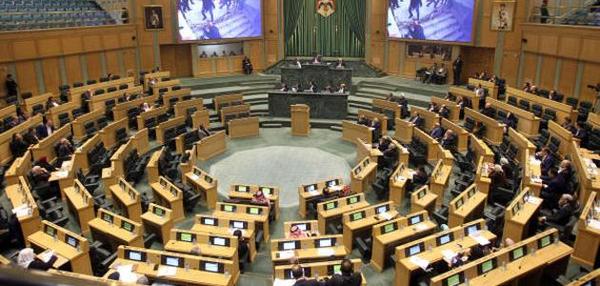


What defines a nation and who is a part of it is a very simple question in some countries, but in Jordan, it is a topic of robust debate. Every once in a while, some national or regional event sparks the discussion of who belongs to Jordan, a matter some see as complicated due to Jordan’s long history of immigration, as well as her profound cultural and familial ties to her neighbouring states. Recently, a move by the Royal Committee to reform the political system based on a comprehensive and universal national identity sparked controversy; many citizens view the attempt to create a unified Jordanian identity as legitimizing the proposal of an “alternative homeland”.
Essentially, based on the large population of Palestinians in Jordan, the commonalities between our two peoples and Transjordan being a part of the British Mandate of Palestine for a brief and insignificant time in the 1920’s, many right wing Zionists propose a Jewish annexation of all of historical Palestine, and relocating the Palestinians to Jordan, where they can establish a state with their Jordanian compatriots. It goes without saying that this idea is nothing short of idiotic, and those who put forth such a disgraceful idea do so with malicious intent, in an aim to promote a disgusting and racist ideology.

Of course, one would think that such a preposterous and absurd idea could never gain traction, but with right wing domination of the Israeli government and said entity’s close ties to the U.S., it is something Jordanians must be wary of. At the same time, a diverse country such as Jordan must ensure that citizens of all backgrounds are equal in front of the law, that every voice is heard and every opinion is considered. So, let us analyze, can we form an inclusive Jordanian identity without diminishing the Palestinian one?
To begin, we must establish who a Jordanian is. After all, one can find Jordanians with grandparents and even parents born elsewhere with ease. Although our country is a colourful and unique fabric made up of different people groups, the main two groups are “Palestinian Jordanians” and “East Bank Jordanians”. This distinction is even known abroad. Often times, when I tell other Arabs in Canada that I’m from Jordan, I get asked “so are you a JORDANIAN Jordanian or a Palestinian Jordanian???” It may seem like a simple question, and I have a rehearsed answer, but the line is more fluid than foreigners, and even Jordanians themselves, think.
Most Jordanians probably do not have the luxury to constantly sit down and philosophize about their identity, so they will base their idea of who is a “Palestinian” or “original Jordanian” based on what they hear in their day to day life. Still, a commonly accepted way of ensuring who is who is when they arrived. Citizens who descend from the waves of Palestinians who settled after the 1948 and 1967 ethnic cleansings are tied into a dual Palestinian-Jordanian identity, but the Arabs who were living on the East Bank of the Jordan River before are considered its original inhabitants. However, this might not be an accurate pair of boxes to place people in.
The fact of the matter is, Jordan and Palestine have never had a real border between them until the 20th century. The two nations have been under the same entities for millennia, be it Alexander The Great’s Empire and what followed, the Romans, Byzantines, the Arab Caliphates, the Mamluk state, and then the Ottoman Empire, before Western imperial interests tore us apart. Throughout the history of these states, there have been provinces named “Jordan” and “Palestine”, but at other times, they were grouped in the same territorial division. Because of these circumstances, movement back and forth was a regular occurrence. It comes as no surprise then, that many families associated with one side of the Jordan River once lived on the other. A prominent example is that of the Majali Clan. One of Karak’s leading families, they have contributed some of Jordan’s most notable figures in recent history, including Field Marshal Habis Al Majali and former Prime Minister Hazza’ Al Majali. Because of their home city and their history of unbridled patriotism, this may be the family one thinks of when they think of “pure Jordanians.” But even the Majalis have roots in Palestine; the family migrated to Karak from Hebron in the late 1700s.
On the other side, the Haddadin clan who founded Ramallah came from the area of Al Karak. Likewise, the Touqans, who dominated Nablus in the late Ottoman era, came there from Transjordan, specifically Maan and the Eastern part of the Jordan Valley. Under this principle, I am an “East Bank Jordanian” (and generally do identify as such), but even my family moved to Al Salt from Nablus in the 19th century. Thus, this differentiation is a difficult one to make, and requires us to do away with a nationalism that strictly has to do with origin and roots.
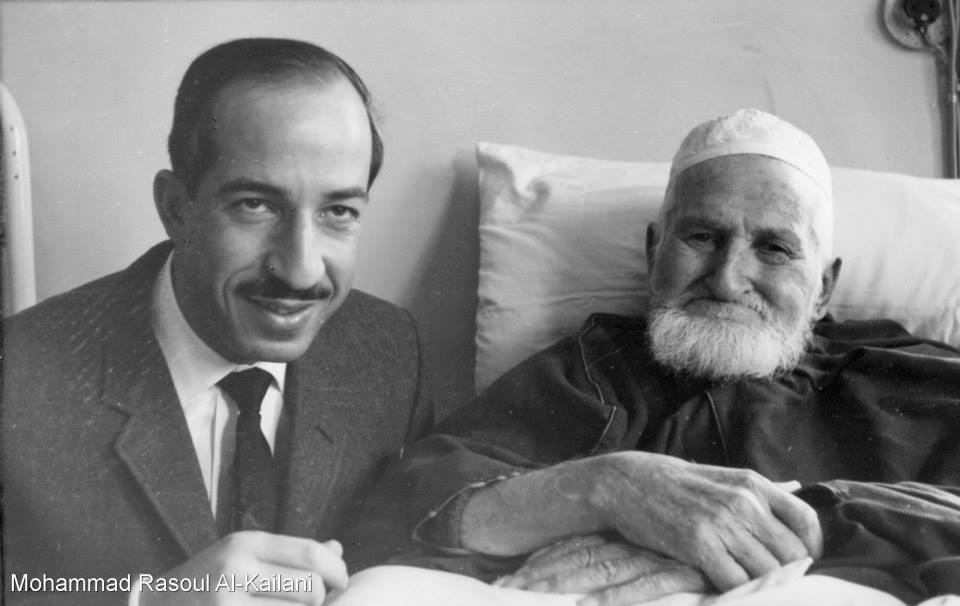
Still, there is some value in highlighting such a contrast. The Palestinians who were forced to leave their historical lands in ‘48 and ‘67 must affirm their identity in the face of an apartheid regime that seeks to eliminate it. Actively claiming and channelling their roots is imperative for Palestinian Jordanians, because if this is not done, it allows the Zionists to succeed in erasing the rightful claims of expelled Palestinians to their historical lands.
But the emphasizing of Palestinian identity should not result in state enforced inequality. The Royal Committee is correct; a successful Jordan involves the inclusion of all its people, especially the Palestinians. Still, we must clarify, who is a Jordanian?
Jordan, as a separate entity, is the result of British and French diplomats betraying the Arab people and ripping apart their land in order to ensure they can never assert their sovereignty and live in dignity. Prior to this, Jordan was a constituent region of the Levant, and by extension shared connections with the rest of the Arab nation. Our country was born out of Sykes-Picot, one of the most consequential tragedies in the history of the Middle East. As terrible as the country’s founding circumstances were, this does not make the Jordanian identity less valid.
It must be stated, that although the modern states of the Fertile Crescent were founded to fail, Jordan remains a functional country that has successfully avoided many of the problems that plague its neighbours. This should be a great source of pride. Secondly, nations are born when a group of people are located in the same area or entity, and as a result of common interests and struggles, cooperate and form a unique bond. All of the storms that Jordan’s inhabitants have weathered together only reinforce Jordan’s nationhood. This definition does not discriminate based on where one’s ancestors were born. Not for the Palestinians, nor for groups that came from even farther away, like the Circassians from the North Caucasus, and the communities of Bosnians, Armenians and Kurds that have lived here for more than 100 years.
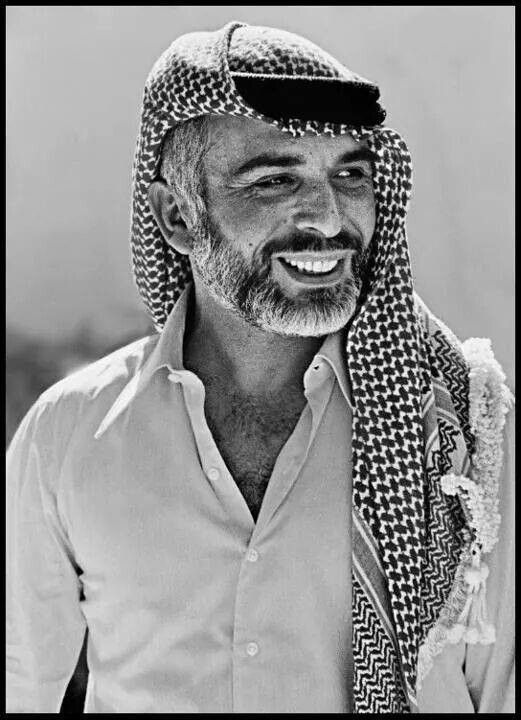
Using this logic, the Palestinians, who have been through some of the most relentless trials of any people since the inception of Zionism, have developed an advanced sense of nationhood and a fortitude that allows for their continued defiance in the face of oppression. In spite of the unfortunate conditions in which these two countries were founded, Jordan and Palestine are nations in every sense of the word.
One does not have to pick between one or the other. Why is it, for instance, when a Palestinian citizen of Jordan moves to Canada, they can identify as Jordanian, Palestinian and Canadian, but when they come back to Jordan, they have to pick one label? In the world’s advanced democracies, if one lives there long enough and does their due service to the state, they are given full rights and recognition as members of that society. There is no reason that can not be the case in Jordan.
Recognizing the equality of all Jordanians does not give justification to the Zionist partition plan mentioned above. In fact, the Zionists have not even adequately justified their claim to all of Palestine to begin with. This fundamental reality must be acknowledged for Jordanians of all backgrounds to work together, to build a just, transparent and welcoming nation for all who live in it.