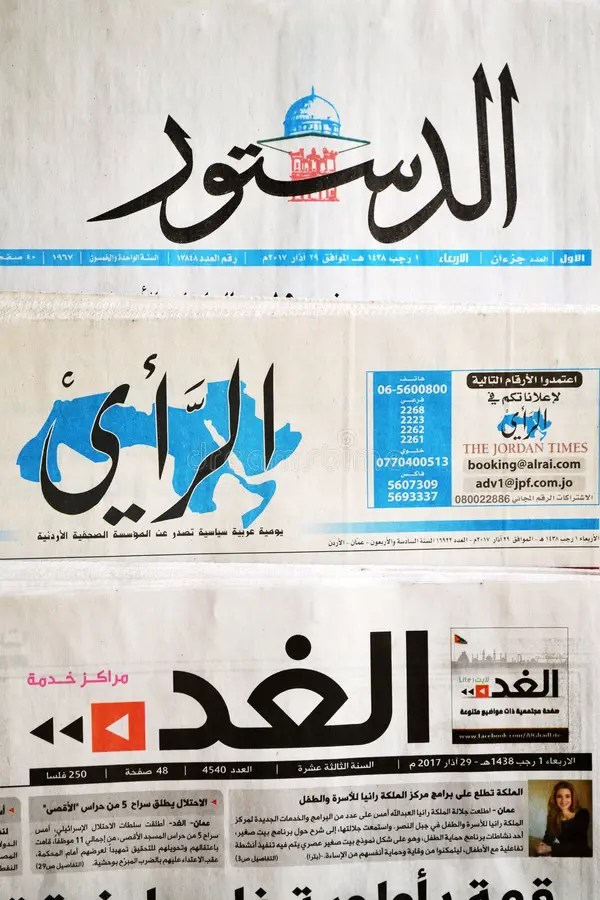


“Democracy” is a word that invokes a wide array of emotions in the Arab World. After the chaos of the Iraq War, the Arab Spring and all of the chaotic events that followed, views on democracy range from believing that it will be the light that will lead the Arabs to prosperity, to thinking it is an impossible dream, the pursuit of which has only brought us pain and turmoil. Courtesy of swindling politicians like George Bush Jr and Abdel Fattah El Sisi, many Arabs think of it as a political buzzword with heavy connotations and little substance.
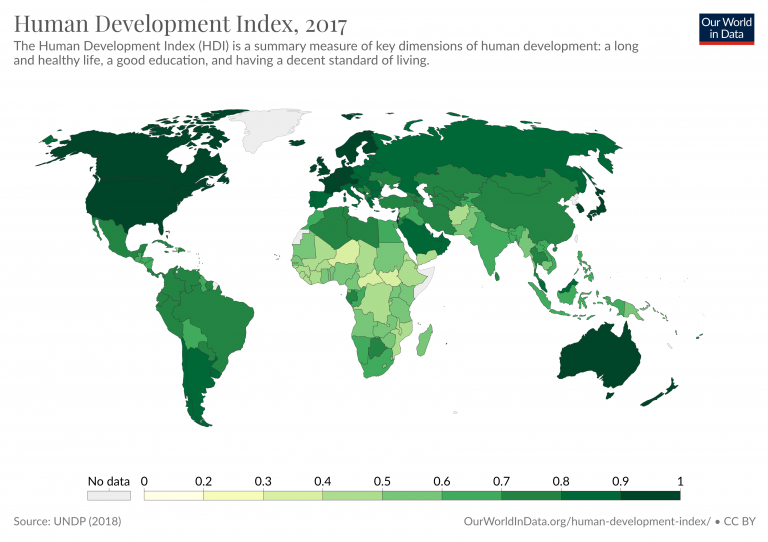
Though everyone has a different opinion, the fact of the matter is that democracy is what leads countries to success. The twenty countries with the highest Human Development Indexes are democratic, as are the twenty with the lowest levels of corruption. Democracy provides platforms for everyone in the country to share ideas with no intimidation, and allows politicians and common people alike to look at issues collectively to decide what is best for their nation. Democracy, by any objective measure, is the way forward.
This is a reality that His Majesty King Abdullah II recognizes. With slow reforms meant to balance out the importance of implementing this system and Jordan’s intricate socio-political structure, he has launched the “Dimuqrati” program meant to allow fair democracy and constitutional monarchy to coexist in harmony, as it does in the United Kingdom and the commonwealth. Writing about this initiative, His Majesty has stated “Some have argued in the West, and even within our communities, that the Arab world is not interested in or suited for modern politics. They have claimed that democracy is not something the Arab world wants or can handle, and that we are not ready. In Jordan, we have never accepted this view and never will.”
While the King has a sense of optimism, many members of the Jordanian public have adopted a fatalistic mentality. Surely you have heard a relative, a taxi driver or a friend mention that the Arabs “need someone to step on our heads” or something of the sort, and therefore, tyrannical Saddam-esque strongmen will allow Arab society to flourish.
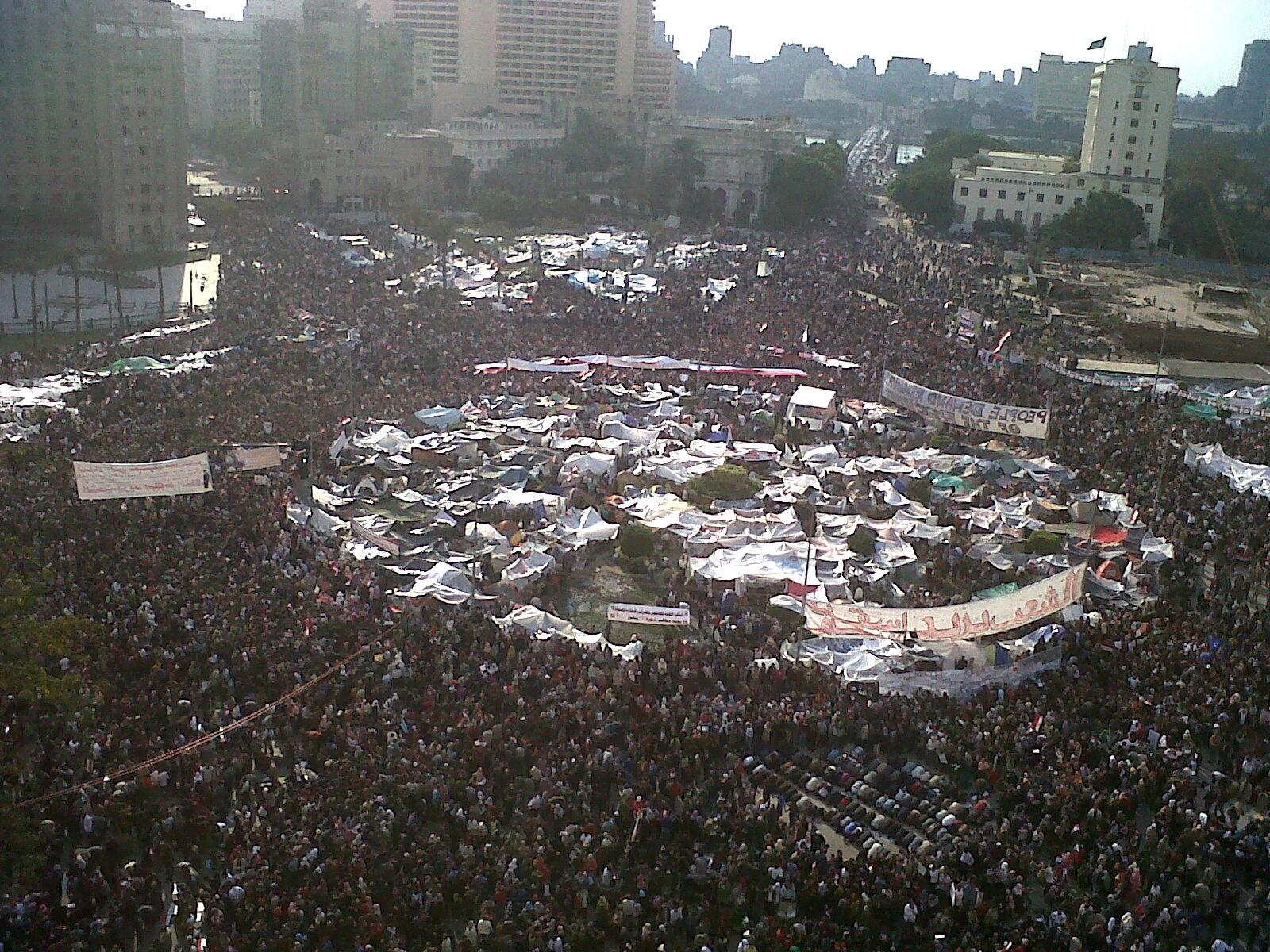
This is a problem with the political mentality of the Jordanian people and the wider Arab world. The fear of the unknown results in a lack of patience that unravels the long and arduous democratic transition. Take Egypt as an example. After the Egyptian people’s hard-fought effort to win democracy in 2011, the path to a free and fair system proved rocky, partly causing millions of citizens to back a coup in 2013 to remove Egypt’s first elected president. Much of the Egyptian public simply felt that the revolution promised an immediate fix to the country’s problems, and when this did not come to fruition right away, Egyptians became tired with all of the instability, uncertainty and tension that comes with a change in political system.
After this, the military strongman Abdel Fattah El Sisi imposed authoritarian rule, killing and torturing thousands of opponents, and then assumed the presidency. Initially, people across Egypt and the Arab World welcomed the return of long-desired law and order. However, all of the progress that Egypt had made was undone, as El Sisi inserted a clause in the constitution that allowed him to rule until 2030 whilst curtailing other personal and civil freedoms. The rose of revolution had been crushed, and contrary to popular belief, the trains did not run on time to balance it out.
Wisely, Jordan’s reforms have occurred at a moderate pace in order to prevent the catastrophic events that could result from reshaping institutions too quickly. The logic behind this could stem from the need to appease reactionary and pessimistic members of the public, but in all fairness, there are legitimate grievances that Jordanians possess against the electoral system. For one, the way districts are divided result in many citizens lacking representation. Al Zarqa governorate and Al Karak governorate both possess 12 seats in parliament, which is absurd considering that Al Zarqa has about one million inhabitants, whereas Al Karak only has 250,000.
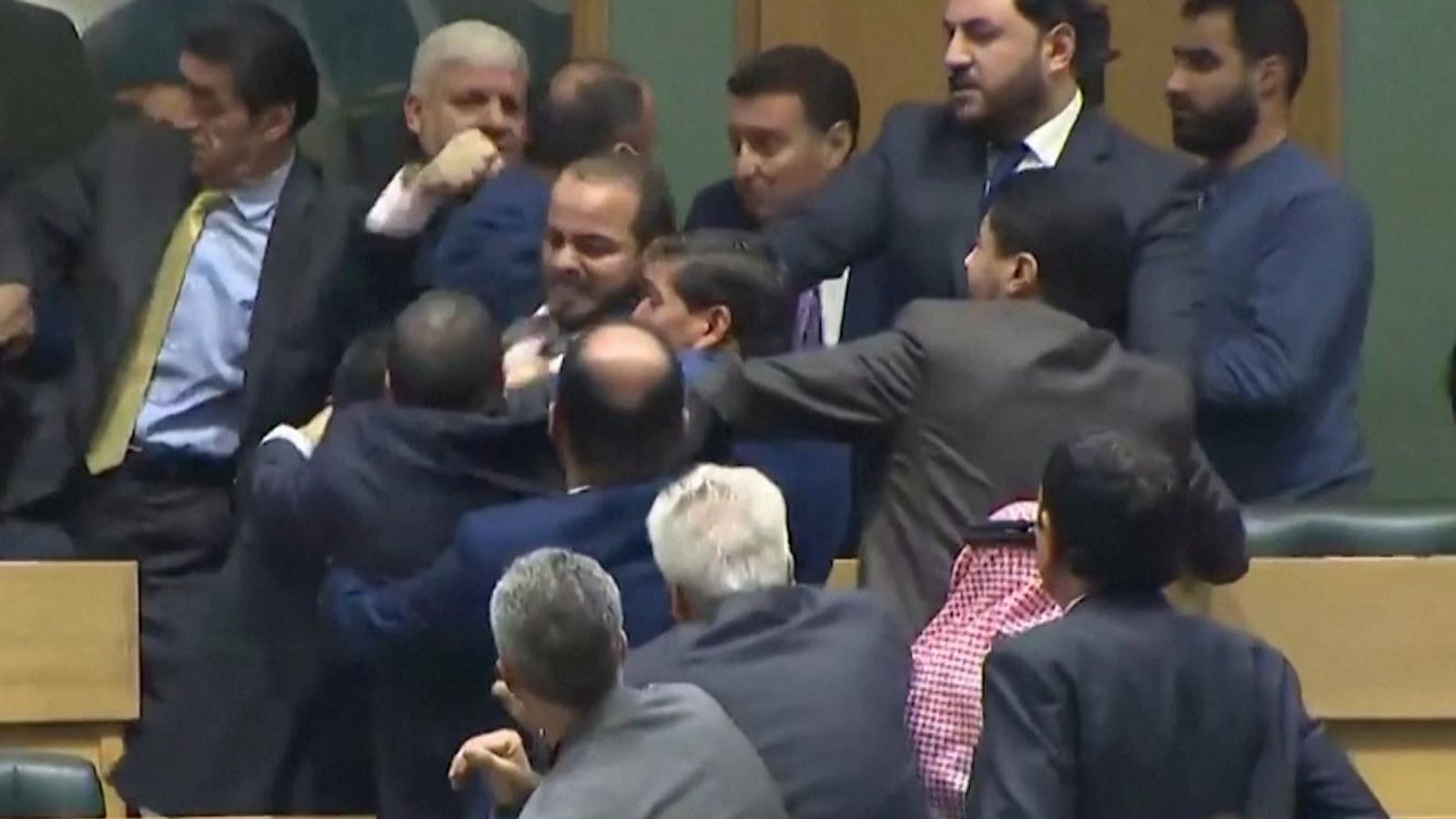
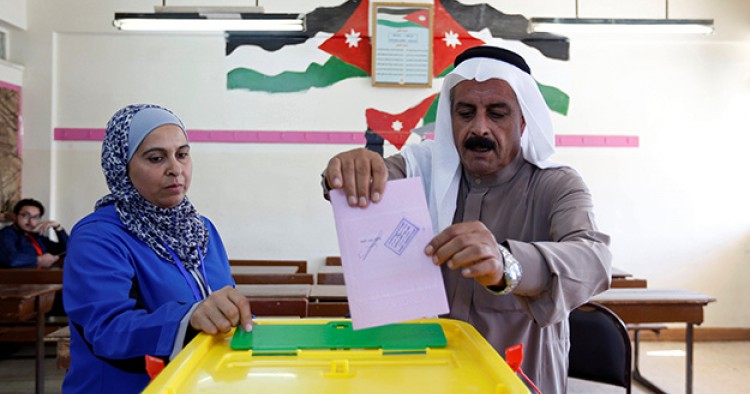
Not only is the way in which elections are organized faulty, the manner in which they are conducted results in parliament being an irrelevant institution at best and a loathed one at worst. In 2020, after a four year period, elections were due, and due to surging Covid-19 cases, whether they should occur or not was up for debate. After mixed messaging throughout the months leading up to polling day, it was announced that elections would be occurring only a couple of weeks before they were taking place. This gave no time for political parties and reform-oriented candidates to prepare and campaign.
Combine this with the physical danger posed by heading to the polls, turnout came to an abysmal 29.88%. To compare to Egypt once more, the 2018 election there, a farcical and Machiavellian affair with El Sisi receiving 97% of the vote, received a 41% turnout. In the words of the Washington Post “wealthy business executives and tribal independents dominated, while strong, reform-oriented members of parliament lost their seats. Broader-based coalitions fared poorly. Less than 10 percent of the 130 members of the next parliament will be from political parties. The most influential opposition party, the IAF, lost almost half of its seats. No women were elected beyond the 15-seat quota allotted (to) them, though five had done so in the last election. Only 15 percent of those elected are under 40”. In other words, an institution built to protect the interests of the people has become a glorified cocktail party for the elite. Bearing this situation in mind, it is no wonder many Jordanians disavow democracy, because the existing semblance of democracy in their homeland has not served their interests.
Talking of “independent tribal candidates”, tribalism is a massive boulder that obstructs Jordan’s path to democracy. Aside from the fact that tribal districts are disproportionately represented in the legislature, a tribal candidate may win a district by a landslide simply because a tribal leader instructed members of his tribe to vote for them. Additionally, a more competent and capable candidate may lose simply due to being from the wrong tribe or town. Tribalism, although prominent in our country, is not an exclusively Jordanian issue. In fact, it was a headlining topic at 2018’s World Economic Forum, showing the sheer amount of damage it can do to a state’s institutions and efficiency. In a statement written for the forum detailing why tribalism is so harmful, a group of professors stated that “decision-making becomes based not on logic, but loyalty. A threat to a single person in a tribe is a threat to the whole group.” It becomes obvious, then, that tribalism must be reduced in order for democratic elections in Jordan to bear more fruitful results.
Tribalism affects Jordanian society in numerous ways, shapes and forms, and this topic deserves its own article that looks at it in depth. That being said, the state can reduce it to a great extent by providing a better social safety net. To put it bluntly, tribes provide protection and resources that the government simply does not. Suppose you are a member of a tribe in rural Jordan. While the state’s welfare programs are lacklustre, the tribe sets its members up with financial opportunities, physical protection and support in all endeavours. It comes as no surprise that a sizeable percentage of Jordanians vote in accordance with the instruction of a tribal elder if said elder has already bestowed so many favours upon them. If Jordan wants to become a real democracy, it needs to provide more to its citizens, so they can vote clearly and objectively.
The democratic dream is possible, but certain steps need to be taken by the government to prove it and set a shining example for the rest of the region. Whilst Jordan needs to give these changes to its people in small doses, steps have to be taken to give elected institutions legitimacy in the eyes of the nation. In particular, a redividing of the electoral map, giving a bigger platform to political parties and an expansion of social welfare can all make Jordan’s democracy stronger. Hopefully, the enactments of these changes will allow parliament to represent Jordanians of all regions, tribes and political alignments. As a result, political parties, public debate and all the essential features of a functioning democracy can propel Jordan into the 21st century and beyond.
To those who still do not want to undergo the democratic transition, I say this: France’s revolution took ten years, followed by Napoleon’s despotic rule and brutal wars, a return of the monarchy and then, democracy. Yet, France is now a strong and free state that is a developed country and a world power. The former Warsaw Pact states still have not completely recovered from the Communist regimes they overthrew 30 years ago, yet they are objectively better off in every regard as democracies and EU member states. The modern age needs a modern system, and if Jordan wants substantial improvements, it needs to take this leap forward and weather the storm.
Disclaimer: The views and opinions expressed in this article are solely those of the author and do not necessarily reflect the views of 9awtak.com, its staff, or other contributors.